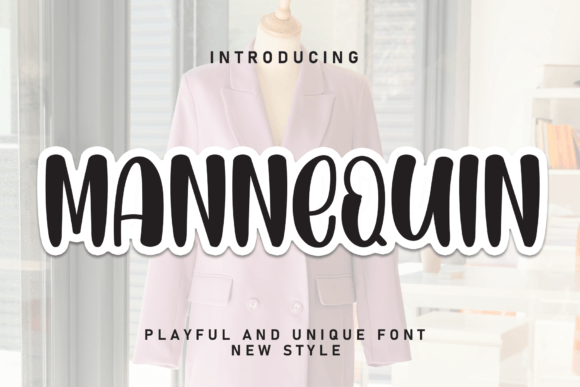
Mannequin: A Stylish Script Font for Modern Marketing and Digital Design
As a marketer, content creator, or social media designer, you know that visual impact can make or break your campaign. In a world where attention spans are shrinking and platforms are overflowing with content, your design choices need to stand out. That’s where Mannequin comes in—a stylish, elegant script font that brings a touch of sophistication to your digital visuals without sacrificing readability or brand clarity.
Mannequin is more than just a pretty typeface. It’s a display font designed with personality and precision, ideal for headlines, quotes, and short-form messaging that needs to pop. Whether you're crafting Instagram stories, YouTube thumbnails, or Pinterest pins, this script font helps you create scroll-stopping content that aligns with your brand’s tone and aesthetic.
Why Mannequin Works for Modern Marketing Campaigns
In digital marketing, consistency is key—and typography plays a major role in brand recognition. Mannequin delivers a clean, modern script style that feels both contemporary and timeless. Its flowing letterforms and balanced spacing make it ideal for conveying elegance, creativity, and professionalism, especially in lifestyle, fashion, wellness, and creative industries.
When used strategically, Mannequin enhances your message’s emotional tone. A soft, flowing script like this can evoke feelings of warmth, trust, and inspiration—perfect for launching a new product, announcing a seasonal sale, or sharing motivational content across your digital channels.
Real-World Uses for Mannequin in Social Media and Beyond
Let’s talk practicality. Here’s how you can use Mannequin to elevate your marketing visuals:
- Instagram Reels Covers: Use Mannequin for bold, elegant titles that stand out in fast-scrolling feeds.
- Email Headers: Add a touch of class to your newsletter subject lines and promotional headers.
- YouTube Thumbnails: Combine Mannequin with bold background colors or gradients to draw attention to your video titles.
- Pinterest Pins: Create quote-based pins that are both readable and visually appealing.
- Landing Pages: Use the font for headlines and call-to-action buttons to guide the viewer’s eye naturally.
Mannequin also works well in packaging design, logo design, and editorial layouts, making it a versatile asset in your creative toolkit. It’s especially effective when used sparingly—think taglines, brand slogans, or highlight text—where its elegance can shine without overwhelming the design.
Creating Visual Hierarchy and Brand Consistency
One of the biggest challenges in digital marketing is ensuring your message is understood at a glance. Mannequin helps you build visual hierarchy by acting as a focal point in your design. When paired with simpler fonts like a clean sans serif or a classic serif, it creates contrast that guides the viewer through your content.
For example, use Mannequin for a headline like “New Collection Drops Friday” and pair it with a minimalist sans serif for the body text. This combination not only improves readability but reinforces your brand’s visual identity across platforms. Over time, consistent use of Mannequin in your social media graphics, ads, and templates builds familiarity and trust with your audience.
Readability Tips for Mobile and Fast-Scrolling Feeds
While Mannequin is a script font, it’s designed with legibility in mind. However, for mobile-first audiences and fast-scrolling feeds, it’s best used for short, impactful text rather than long paragraphs. Keep your message concise and ensure sufficient contrast between the font and background to maintain visibility.
On thumbnails and preview images, consider using a slightly larger size and avoid over-decorating the surrounding design. The goal is to make your message clear within the first second of exposure—Mannequin helps you do that with style.
Font Pairing Strategies for Maximum Impact
Typography is a powerful storytelling tool, and font pairing is where you can really shine. Mannequin pairs beautifully with a variety of typefaces to suit different design goals:
- With Sans Serif Fonts: Pair Mannequin with a clean sans serif like Montserrat or Open Sans for captions, descriptions, or subheadings. This creates a modern, balanced look ideal for web design and social media graphics.
- With Serif Fonts: For a more editorial or luxury feel, combine Mannequin with a serif font like Playfair Display. This works well for brand storytelling, packaging design, or high-end digital campaigns.
- With Monospaced Fonts: If you're going for a retro or tech-inspired vibe, try a monospace font like Space Mono for contrast. It’s a unique but effective pairing for creative brands or niche content creators.
These combinations help you maintain a cohesive brand identity while giving your designs the flexibility to adapt across different mediums and platforms.
Choosing the Right License for Commercial Use
Before you dive into using Mannequin for client work, digital products, or paid advertising, make sure you understand the licensing terms. Many script fonts, including Mannequin, are available under commercial licenses that allow use in templates, ads, and branded content. Always verify that your usage aligns with the font’s license agreement to avoid legal issues down the line.
If you're a content creator or brand manager offering design templates or branded assets, ensure that the font is embeddable or downloadable under the appropriate license. This protects both your work and your clients’ rights.
Final Word: Make Mannequin Part of Your Design Toolkit
Whether you're designing a promotional graphic for Instagram, a landing page headline, or a branded quote for Pinterest, Mannequin adds a touch of elegance that’s hard to ignore. As a modern script font, it bridges the gap between traditional calligraphy and contemporary digital design, making it a smart choice for marketers and designers who want to elevate their visual communication.
By integrating Mannequin into your creative workflow, you not only enhance the aesthetic appeal of your content but also strengthen your brand’s visual consistency and audience engagement. It’s more than a font—it’s a design asset that supports your storytelling, reinforces your messaging, and helps your brand stand out in a crowded digital landscape.