Sweethwolf Font: Elevating Small Business Branding
I still remember the exact moment I realized my homemade candle business looked more like a garage sale than a boutique brand. I was standing at a local market, watching customers pick up my soy candles, squint at the label, and then put them back down. The product smelled amazing, and the wax was perfectly poured, but something was missing. It wasn’t the quality; it was the visual trust. My labels were using a generic, stiff typeface that felt disconnected from the warm, organic story I wanted to tell. That afternoon, I went home and started searching for a solution that could bridge the gap between handmade charm and professional polish. That search led me to Sweethwolf, a modern handwritten script font that completely transformed how my business presents itself to the world.
Finding the Right Voice Through Typography
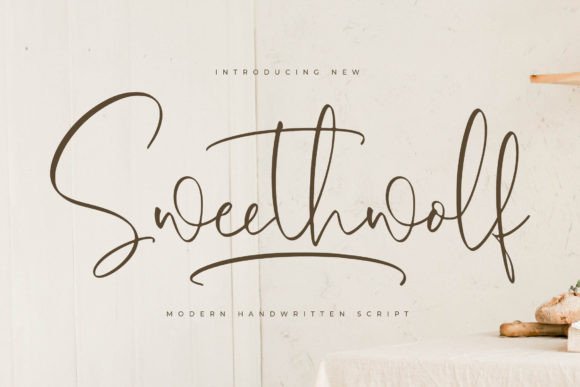
As small business owners, we often wear every hat in the shop. We are the product developers, the photographers, the customer service reps, and the designers. When you are deep in the weeds of fulfillment, typography can feel like an afterthought. However, I quickly learned that fonts are actually the silent ambassadors of our brand identity. Sweethwolf, created by Letterena, isn't just another decorative letter set; it is a luxury script font with a distinct personality that speaks directly to the heart of artisanal and lifestyle brands.
What struck me immediately about this typeface was its balance. Many script fonts tend to be either too messy to read or so formal that they feel stuffy and outdated. Sweethwolf sits in that perfect middle ground of modern elegance. It has the fluidity of genuine handwriting but maintains the clean structure needed for commercial design. When I first typed out my candle collection names—"Lavender Haze," "Sunday Morning," "Wild Fig"—the words didn't just sit on the screen; they danced. The font carried a warmth that matched the scent profiles, instantly making the digital mockups feel tangible and inviting.
Transforming Packaging and Product Labels
The real test came when I applied Sweethwolf to my physical packaging. For a candle seller, the label is prime real estate. It needs to be legible at a glance on a crowded shelf, yet beautiful enough to encourage an unboxing video on social media. I used this premium font for the primary product titles while keeping the safety warnings and ingredient lists in a simple sans serif font. This contrast is key. By reserving the elaborate script for the emotional hook—the name and the vibe—I ensured that readability never suffered.
This approach works beautifully across various homeware designs. If you run a bakery, imagine this font adorning a kraft paper baguette bag or embossed on a wedding cake box. For skincare creators, it adds a touch of spa-like luxury to minimalist glass bottles. The versatility of Sweethwolf allows it to adapt to different textures and materials. On matte paper, it looks soft and organic; on glossy stickers or gold foil stamping, it feels high-end and celebratory. It turned my plain glass jars into giftable items that customers were proud to display in their homes.
Beyond the Label: Consistent Brand Touchpoints
A strong brand identity requires consistency across every customer interaction. Once I fell in love with how Sweethwolf looked on my labels, I integrated it into the rest of my business assets. This is where the font truly shines as a workhorse for creative entrepreneurs. It isn't limited to just product packaging; it elevates every piece of collateral it touches.
- Thank You Cards: Printing order inserts with a Sweethwolf header made my packaging feel personal, even though it was mass-printed. It mimics the look of a hand-written note without the time commitment.
- Social Media Graphics: Instagram and Pinterest are visual search engines. Using this display font for quote overlays and announcement posts increased my engagement because the text stopped the scroll. It’s bold enough to be readable on mobile screens but delicate enough to maintain aesthetic appeal.
- Website Banners: Updating my homepage hero image with a Sweethwolf headline softened the overall web design, making the online shop feel more welcoming and less transactional.
- Business Cards: A script logo stands out in a sea of corporate block letters. It signals creativity and attention to detail before a potential client even reads my contact information.
Practical Pairing and Readability Advice
While Sweethwolf is stunning, it is important to use it strategically. As a fellow entrepreneur who has learned through trial and error, I cannot stress enough that this font is best used as a headline or accent typeface. It is designed to grab attention, not to convey dense information. Trying to write a full paragraph of product description in any luxury script will result in frustrated customers and poor accessibility.
For the best results, pair Sweethwolf with a clean, geometric sans serif or a classic serif font. The contrast between the ornate script and the structured supporting text creates a hierarchy that guides the eye naturally. For example, on my market signage, the price and product details are in a crisp sans serif, ensuring older customers or those with visual impairments can read them easily, while the product name flows above in Sweethwolf to set the mood. This thoughtful pairing demonstrates professionalism and respect for the user experience, which builds long-term trust.
Licensing and Technical Considerations for Creators
Before you fall in love with a font and print 500 boxes, always check the licensing. Sweethwolf falls under the Script Amp category, which generally implies high-quality, commercially viable design assets. However, as business owners, we must ensure we have the correct commercial license for our specific usage. Whether you are selling physical products, creating digital templates for clients, or designing merchandise, verifying your rights protects your business from future legal headaches.
Additionally, take advantage of the technical features included in the font files. Modern handwritten scripts like this often come with OpenType features such as alternates, ligatures, and swashes. These little details allow you to customize the flow of the letters so that no two logos look exactly identical. Spending twenty minutes playing with these alternates in your design software can make your branding look bespoke rather than out-of-the-box. Also, verify multilingual support if you plan to sell internationally or cater to diverse communities, ensuring your brand remains inclusive and accurate across languages.
The Emotional Return on Design Investment
Switching to Sweethwolf wasn't just a cosmetic change; it was a strategic business decision that paid off in customer perception. People began commenting on how "expensive" and "thoughtful" my brand looked. The font did the heavy lifting of communicating quality before a customer ever lit a wick. In the crowded marketplace of small businesses, where we compete against giants with massive marketing budgets, our visual identity is one of our most powerful tools.
Typography affects first impressions, brand recall, and perceived value. When your visuals align with the quality of your craft, you stop explaining why your product is worth the price tag and start letting the brand speak for itself. Sweethwolf provided that alignment for me, turning a hobbyist aesthetic into a legitimate, memorable brand. For any entrepreneur looking to refine their visual voice, investing in a versatile, luxury script like this is a step toward building a business that looks as good as it performs. It is a reminder that in the details of design, we find the soul of our commerce.