Tom Font: A Friendly Handwritten Typeface for Makers
As a small business owner and product creator, finding the perfect balance between professional polish and handmade charm is often the most challenging part of design. We want our physical products to feel personal and authentic, yet they still need to be legible, consistent, and commercially viable. This is where Tom, a simple and friendly handwritten font, becomes an essential tool in the creative arsenal. Unlike overly ornate scripts that can become illegible at small sizes or messy when cut on vinyl, Tom offers a whimsical and quirky aesthetic that remains grounded in readability. It is a typeface designed to brighten up designs without overwhelming them, making it ideal for everything from product packaging to digital printables.
The Visual Personality of Tom
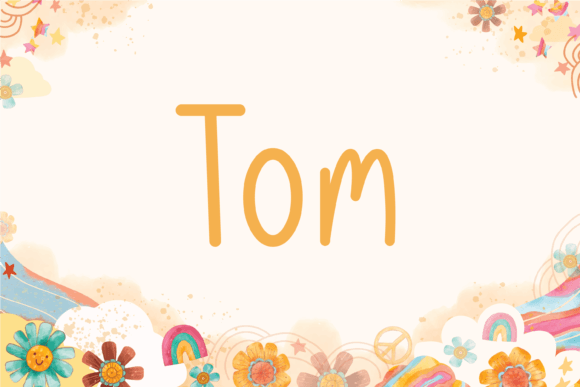
Tom distinguishes itself within the Script Amp category by avoiding the pretension sometimes associated with formal calligraphy. Instead, it mimics the natural, confident stroke of a marker or brush pen used by someone with neat but relaxed handwriting. The letterforms are open and rounded, creating a sense of approachability and warmth. For crafters and Etsy sellers, this visual personality is crucial because it communicates emotion instantly. When a customer picks up a candle labeled with Tom, they do not just see text; they feel a human connection. The slight quirks in the baseline and the organic variation in stroke width prevent the design from looking like generic clip art, ensuring your brand identity feels bespoke and intentional.
Practical Applications for Physical Products
The true test of any creative font is how it performs on actual merchandise. Tom excels in scenarios where space is limited but impact is necessary. For handmade labels and stickers, the font’s clean lines ensure that ingredients, scents, or product names remain readable even when printed at two inches wide. It is particularly effective for:
- Candle and Soap Labels: The friendly vibe complements natural waxes and artisanal soaps perfectly, suggesting a safe, homey environment.
- Boutique Packaging Tags: Use Tom for "Thank You" messages or care instructions on hang tags attached to knitwear or jewelry.
- Farmhouse and Nursery Signs: The whimsical nature works beautifully for wooden signs, acrylic door hangers, and wall decals where a softer touch is preferred over bold block letters.
- Mugs and Tumblers: Because the strokes are distinct and not too thin, Tom cuts cleanly on Cricut and Silhouette machines for adhesive vinyl applications without weeding nightmares.
Elevating Stationery and Digital Downloads
For designers focusing on paper goods and digital assets, Tom serves as a versatile display font. In wedding stationery, it strikes a modern balance—less stiff than traditional engraving scripts but more refined than casual doodles. It is excellent for seating charts, welcome boards, and menu headers where guests need to read information quickly while still feeling the celebratory atmosphere. Similarly, for printable creators selling planners, journals, or educational worksheets, Tom adds character to titles and section headers without sacrificing the utility of the page. When designing social media graphics or Instagram templates, this handwritten font captures attention in the feed by breaking up the monotony of standard sans serif typography used by major brands.
Readability and Production Considerations
A beautiful font is useless if it fails during production. From a maker's perspective, Tom is a reliable workhorse. When using cutting machines for iron-on transfers on tote bags or shirts, the consistent stroke weight prevents parts of letters from burning through or peeling off after washing. For printed greeting cards and invitations, the open counters (the spaces inside letters like 'a' and 'o') prevent ink bleed from filling in the gaps, which is a common issue with tighter script fonts. Always test your specific material and machine settings, but Tom’s structural integrity makes it far more forgiving than many other decorative typefaces. It is suitable for short phrases, names, and titles, though it can handle medium-length sentences if leading is adjusted generously to maintain its airy feel.
Strategic Font Pairing for Brand Consistency
To maximize the commercial appeal of Tom, pair it strategically with complementary typefaces. Because Tom has such a distinct personality, it should generally serve as the accent or headline font rather than the body text. Pairing it with a clean, geometric sans serif font creates a modern, high-end look suitable for skincare branding or minimalist home decor. The contrast between the structured sans serif and the fluid handwritten style guides the eye and establishes a clear hierarchy. Alternatively, for a more vintage or rustic aesthetic, try pairing Tom with a classic serif font. The serifs add tradition and weight, while Tom injects freshness and youth. This combination is particularly effective for bakery packaging, coffee shop signage, and heritage-style craft goods. Avoid pairing Tom with other highly decorative scripts, as this creates visual competition and reduces overall legibility.
Technical Details and Licensing for Sellers
Before integrating Tom into your shop listings, review the specific file formats and licensing terms included with your purchase. Most premium font packages include OTF and TTF files, which are compatible with major design software like Adobe Illustrator, Photoshop, Canva, and Cricut Design Space. Check for multilingual support if you create products for international markets or bilingual communities, as this expands your potential customer base significantly. Additionally, verify if the font includes alternate characters, ligatures, or swashes. These extras allow you to customize repeated letters in words like "little" or "summer," preventing the robotic look that can sometimes occur with digital handwriting fonts.
Crucially, understand the commercial licensing requirements for your specific business model. If you are selling physical end products like mugs, shirts, or printed cards featuring Tom, a standard commercial license typically suffices. However, if you plan to use the font in editable templates, digital downloads where the customer can manipulate the text, or SVG files sold to other crafters, you will likely need an extended or special commercial license. Respecting these terms protects both the type designer and your business from legal issues. Using Tom confidently means knowing you have the right to use it, allowing you to focus entirely on creating beautiful, marketable products that resonate with your audience.
Ultimately, Tom is more than just a collection of vector shapes; it is a communication tool that bridges the gap between digital design and tangible craftsmanship. Its ability to convey warmth and whimsy while maintaining professional standards makes it a valuable asset for any maker looking to elevate their product line. Whether you are designing a new collection of holiday cards, rebranding your handmade soap business, or creating best-selling printable wall art, this friendly handwritten font provides the authentic touch that customers crave in a mass-produced world.